Lula’s Re-election Is a Blow to Brazil’s Betting Hopes
The future of Brazil’s ban on betting in Congress remains uncertain, and Lula’s victory could influence how other governments in Latin America deal with gambling regulation.
 Alissa Bergman
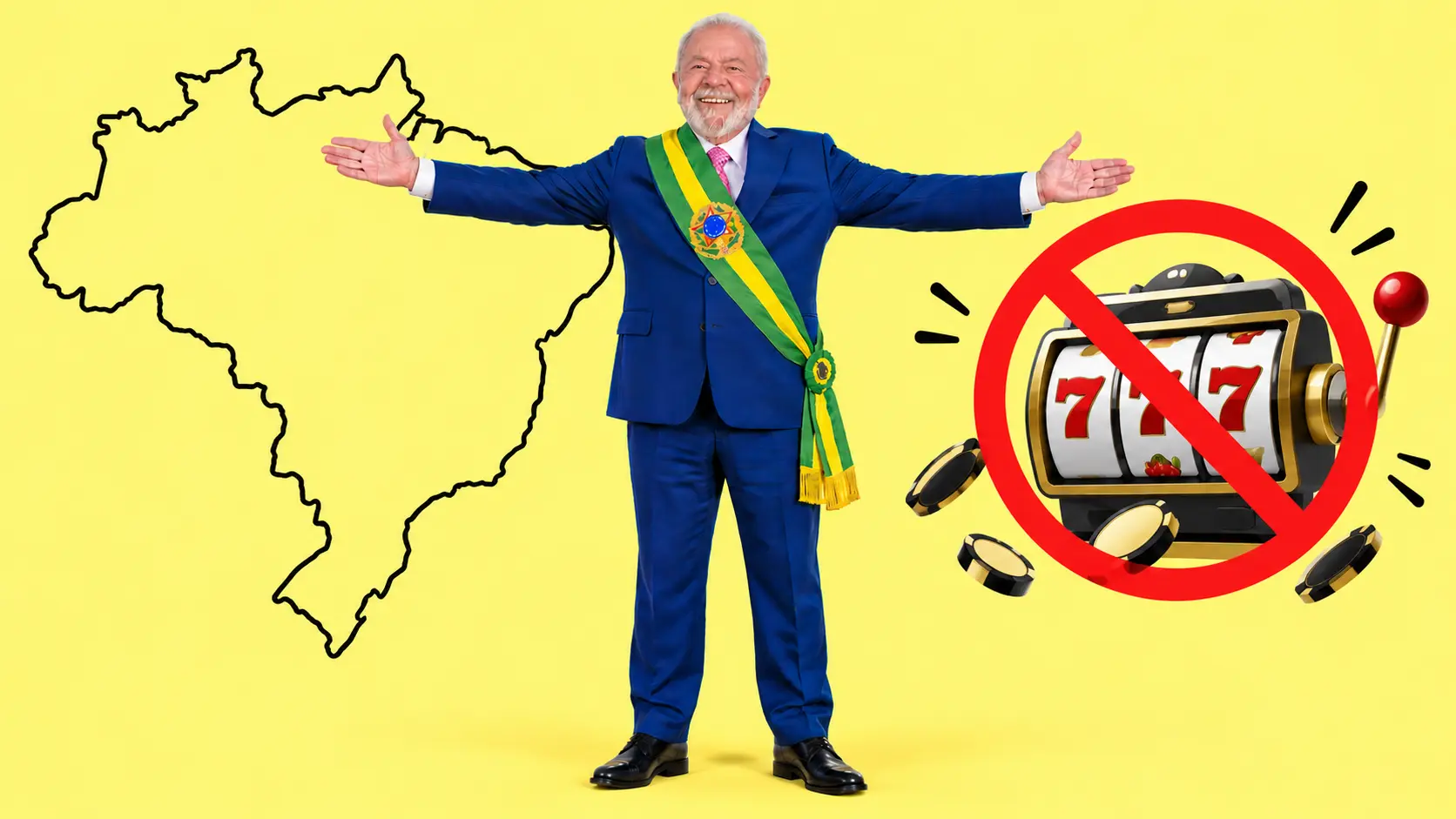
Luiz Inácio Lula da Silva has won a fourth term in Brazil’s presidential race. But for the country’s new regulated betting market, it is a setback for operators who had hoped a change of government might bring a more favorable outlook.
In the 25 October runoff, Lula defeated Flávio Bolsonaro, winning 51.79% of valid votes, according to Brazil’s Superior Electoral Court. Bolsonaro had been favoured by those opposed to the ban.
The result keeps in power the administration behind a betting ban signed on 25 September. Provisional Measure 1,394, prohibited fixed-odds betting across the country, as well as online gambling operations and advertising. These restrictions forced betting sites offline, disrupting a market that had only introduced federal licensing in January 2025.
The industry’s future in Brazil, however, is not yet settled. Congress has 120 days to vote on the measure, with lawmakers proposing amendments that could restore sports betting or narrow the restrictions to online casino games. The outcome will determine whether Brazil maintains its current course or reopens the market to licensed operators.
The stakes go beyond Brazil alone. As the region’s largest economy, Brazil’s approach to balancing gambling regulation, tax revenue and player protection could set a precedent for other governments. A long ban could prompt other jurisdictions to introduce tighter restrictions for purely political purposes.
Brazil’s next regulatory steps will influence industry strategy, but the region’s long-term prospects will depend on developments in various markets. Emerging licensing frameworks elsewhere in Latin America may offer operators and suppliers opportunities to offset uncertainty in Brazil.