Mapping Latin America’s Most Promising Expansion Markets
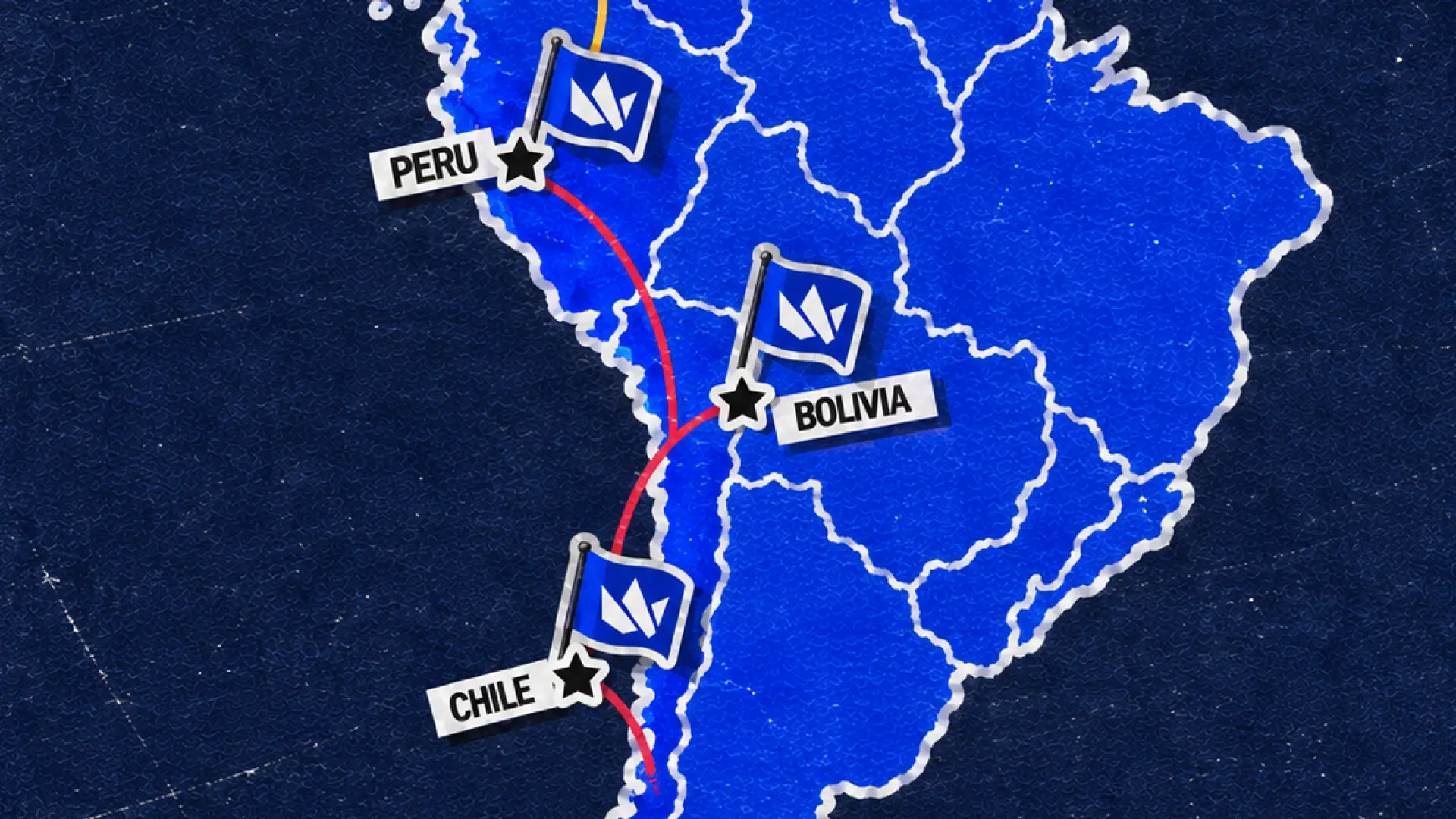
Brazil’s regulated market is collapsing, pushing players back offshore. Here’s where iGaming expansion is heading next: Mexico, Bolivia, Chile, Peru, and Colombia.
 Irina P
What’s Happening in Brazil’s Online Gambling Regulation
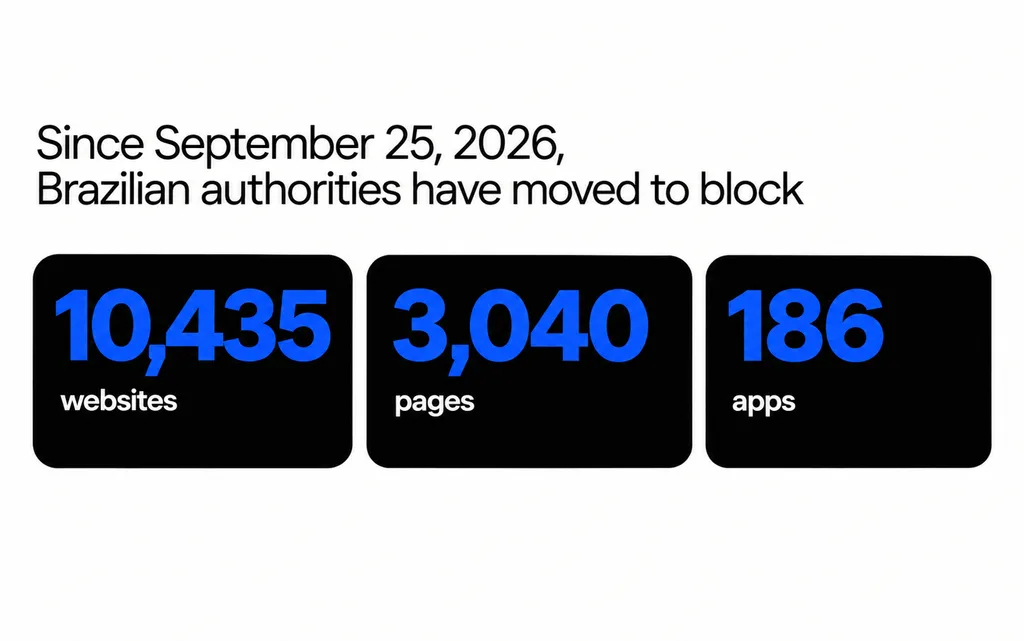
On October 6, Brazil’s regulated gambling industry went dark. Licensed bookmakers and online casinos ceased operations by government order. For a country that had spent recent years trying to build a legal framework for one of the world’s most closely watched betting markets, it is a dramatic reversal.
The playbook had been ambitious. Brazil sought to push offshore operators out of the shadows using licenses, site blocks, advertising restrictions, and PIX oversight. Yet even after regulation arrived, illegal and offshore casinos still controlled 38-44% of the market. Now the legal pillar of that strategy is being dismantled by the authorities themselves.
The first data after the ban is striking. According to Blask, in just four days, the unlicensed segment’s share jumped from 3.4% to 9.9%, the highest since the regulated market launched in January 2025. Before the shutdown, it averaged around 3.9%. The foundation for that migration was already there — over the previous 90 days, 57% of Brazilian players had visited unlicensed sites at least once.
As illegal demand grows, so does the crackdown. Brazil’s Federal Police are establishing dedicated units for illegal betting and match-fixing.
Players, meanwhile, are caught in limbo. Around $250 million remains frozen in accounts after the legal online betting market was suspended, and it appears unlikely to be returned. The money belongs to 26.5 million people who missed the October 5 withdrawal deadline. According to the Finance Ministry, banks are required to transfer remaining balances back to the accounts players used to top up between October 9 and 14. Any funds that cannot be returned will be sent from October 14 to the state-owned Caixa Econômica Federal. The ministry has yet to outline how further returns will work.
For operators, affiliates, and investors, the question is no longer whether Brazil’s regulated experiment has gone wrong. It is where to turn next, which GEOs offer room to expand? Which markets are actually profitable? And for those with operational experience in LatAm, where should they focus?
Alternative Geos: Where to Expand in LatAm
What sets Brazil apart is its language: Brazilian Portuguese is spoken there, making it the only country in the region that does not speak Spanish. Expanding into new geographic regions will require native speakers, translators, and locals who understand how to operate in the country.
The smartest approach is to hire affiliate managers, consultants and other necessary staff who speak Spanish and understand the local culture. This will foster loyalty among local players in the target market from the outset.
Mexico
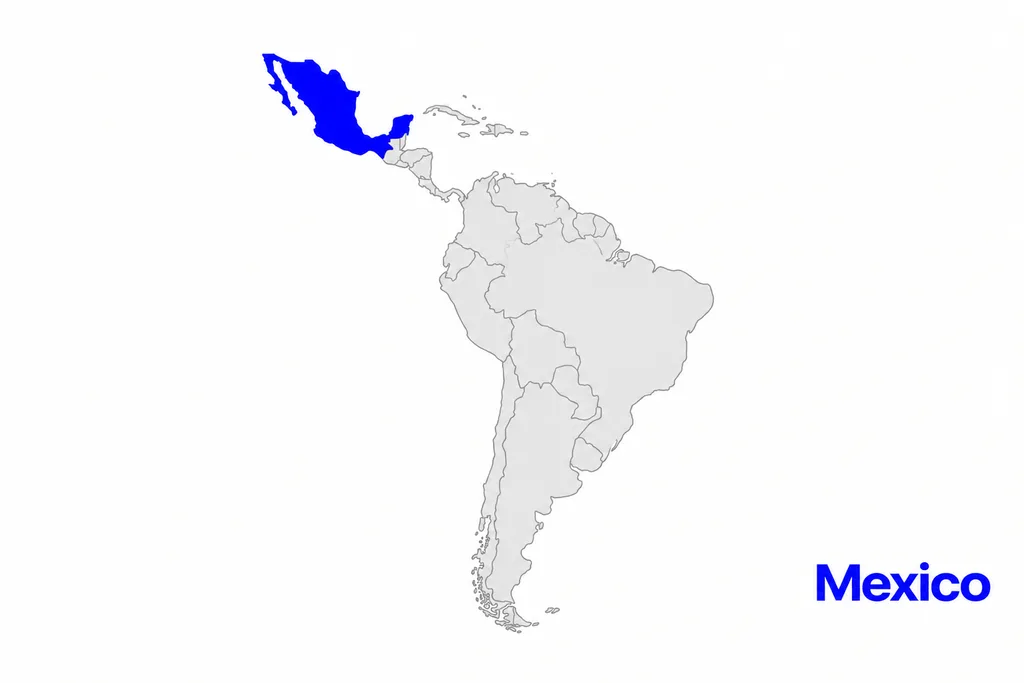
Population: ~140 million
Capital: Ciudad de México
Language: Spanish
Religion: Catholicism (~78%), Protestantism/Evangelicalism (~10%), other religions (~1.5%), non-religious (~8.1%)
Average income: $600-$700.
Average age of the audience: 18-40 years.
According to Optimove Insights’ July 2026 analysis, Mexico stands as Latin America’s front-runner in average deposit size and sports betting volume.
Culturally, this is a deeply collectivist market. Family is the compass. The Mexican person’s world is divided into a trusted inner circle of relatives and friends, and everyone else. Status and authority are meant to be visible: cars, designer clothing and a private office, for example. Income is not just a measure of success, but also a duty to family and a route to respect. The appetite for additional income, including gambling, is particularly strong among younger people.
Smartphones are the operating system of daily life, used for shopping, entertainment and conversation. Football remains a pillar of cultural identity and one of the most universal channels for high-voltage engagement, particularly with men.
Gambling and betting are in the Mexican psyche. They are a way to unwind, have fun and make money. The passion for football and slot machines highlights just how important this region is for operators and affiliates.
Mexico’s gaming industry is experiencing rapid growth. Astute Analytica projects that the market will reach approximately $40.64 billion by 2033, growing at an impressive 15.71% CAGR, a rate that cements Mexico’s position as a major player in the global gaming industry.
Online casino transactions totalled around $4 billion in 2025. Sports betting accounts for almost 40% of revenue in the legal sector. However, the boom has a sobering side. A 2024 CONADIC survey found that 2.3% of Mexican adults struggle with severe gambling addiction, with the states of Sonora and Sinaloa bearing the heaviest burden.
Regulation
Mexico’s betting market is an intriguing mix. Both sports wagering and lottery play enjoy clear legal footing. Meanwhile, internet casinos sit in a regulatory blind spot: no statute specifically authorises them, nor does any outlaw them. The Interior Ministry (SEGOB) oversees the sector, with its gambling and lottery bureau (DGJS) responsible for regulation.
In 2026, Mexico launched a comprehensive overhaul of its gaming regulations. The twofold agenda was to tighten supervision and extract more revenue. From 1 January 2026 onwards, the IEPS tax on online betting increased from 30% to 50%, placing the country among the world’s most heavily taxed jurisdictions. The same reform introduced a new fiscal category for digital platforms, enabling offshore bookmakers to enter the market legally by registering with the tax authority (SHCP).
The authorities are also taking a tougher stance against money laundering. Between 2025 and 2026, SEGOB shut down several online casinos (13 platforms among them) as part of money laundering investigations. Mandatory player identification is being introduced, steadily eroding anonymity.
And the regulator’s reach keeps growing: SEGOB now has the power to directly block the websites and apps of unlicensed operators.
Bolivia
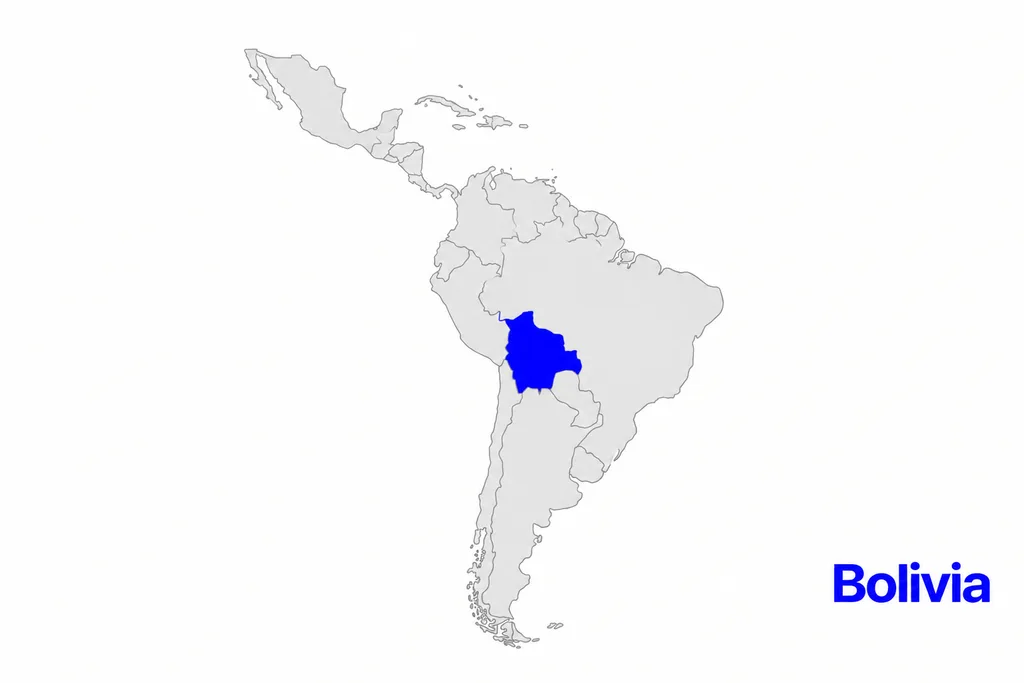
Population: ~12.7 million
Capital: Sucre (constitutional), La Paz (administrative)
Language: Mostly, Spanish and 36 indigenous languages (Aymara, Quechua, Guaraní, etc.)
Religion: Catholic 65%, Protestant 19.6%, non-religious 6.1%
Average income: ~$620
Average age of the audience: 18-35
Bolivia is a market driven by passion and grey areas. Online gambling generates approximately $145 million in GGR, with around $130 million flowing offshore. Sports betting and casinos dominate, driven by a young, mobile-first population. There are 13.7 million mobile connections (108% penetration), and 93% of teenagers own a phone that can access the internet.
Family and community come first for Bolivians, and betting rarely happens in isolation. It takes place in WhatsApp groups, over a beer in the local bar, and during match-day rituals. Football is the heartbeat.
The challenge for Bolivia is to build a licensing regime that pulls offshore money into the regulated fold without ignoring the harm that is already growing in plain sight.
Regulation
Although Bolivia’s gaming regulator has the legal authority to licence operators, it has never set out a clear process for online applicants. In practice, the vast majority of platforms serving Bolivian players hold licences from foreign jurisdictions, such as Malta, Gibraltar and Curacao, and are accountable to those regulators rather than La Paz. Whether these rules align with Bolivian law is, at best, unclear.
This regulatory blind spot has fuelled mounting pressure for a more transparent and enforceable framework that could regulate the industry, protect players and generate tax revenue that the state is currently missing out on. The government has signalled its appetite for reform. In recent years, lawmakers have proposed amendments to Law No. 060 that would explicitly address online gambling and establish a proper licensing regime.
Such changes could transform Bolivia’s online market into a regulated, accountable and mutually beneficial space for both the state and players. However, it is unclear when these amendments might be enacted.
For now, online gambling in Bolivia exists in a legal grey zone: there are no clear rules governing who may operate or who may be licensed. The result is a flourishing shadow market in which offshore operators take Bolivian bets with little fear of enforcement.
Chile
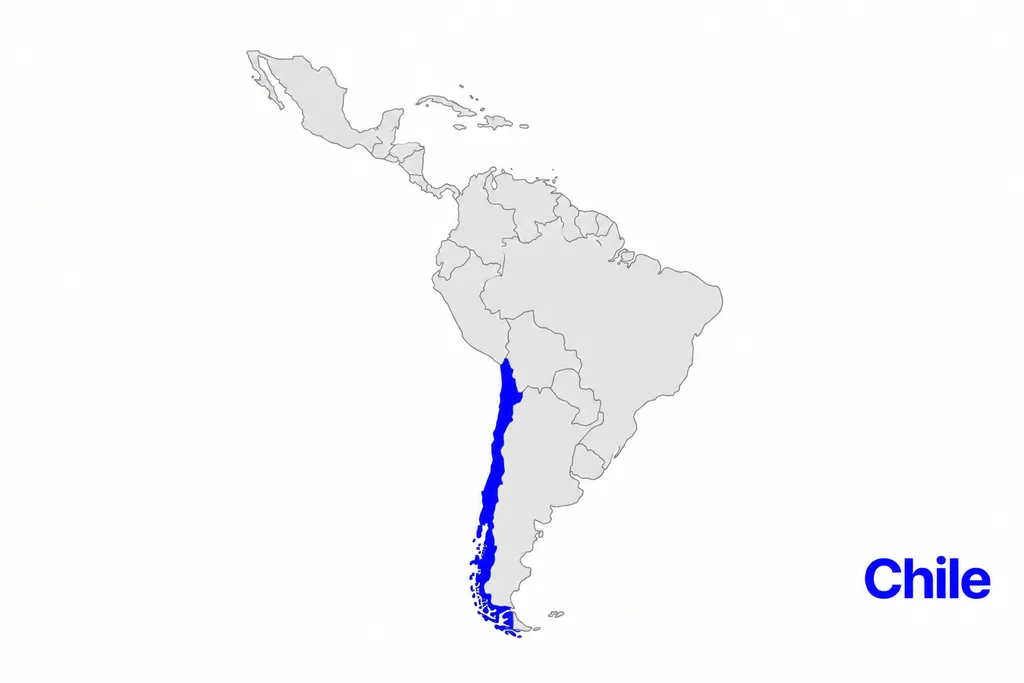
Population: ~20 million
Capital: Santiago
Language: Mostly, Spanish
Religion: Catholicism 46%, Protestantism 19%, non-religious 33%
Average income: ~$1000
Average age of the audience: 25-44
The local audience is tight-knit and highly responsive, an outlook partly shaped by geography. Living at the world’s edge, Chileans regularly face earthquakes, storms and typhoons. This is mature, deliberate traffic. In practice, operators reach settled, active users who have both leisure time and spending power.
Users often open an online casino to unwind after work, so simple, clear mechanics outperform heavy titles packed with bonus levels. Quick-outcome products dominate, such as fast slots and formats that allow users to perform several actions and see the results almost instantly. Sports betting is around 80% football, with tennis and the NBA accounting for most of the rest. For many fans, betting on their favourite league is a ritual.
So far, Chile’s digital gambling scene has reached a pivotal financial moment. According to a study commissioned by the Group of Online Betting Platforms of Chile and carried out by the American consultancy Yield Sec, unlicensed operators now handle more than $3.1 billion. Official oversight could generate an estimated $180-200 million in public revenue each year, while also supporting a land-based gaming sector that is in decline.
Regulation
Chile’s gambling landscape is characterised by an intriguing division. Physical casinos are legal under Act No. 19.995, which was enacted in 2005. By contrast, online casino-style gaming remains forbidden. In 2025, the Supreme Court ruled that this model conflicts with the Constitution, even when the operator is based abroad.
This prompted access restrictions against numerous offshore sites. However, online wagering itself — sports and horse-race betting — is permitted and run through state-controlled entities: Polla Chilena, Teletrak Chile and Lotería de Concepción.
Lawmakers have been pursuing change. In 2022, Bill No. 14.838 (the Online Casinos Act) was proposed to legalise and regulate the online gambling sector. The Senate endorsed it in August 2025. Under the planned regime, operators could obtain general licences valid for five years, with taxation including a 20% levy on gross gaming revenue, as well as dedicated funding for responsible play initiatives and national sports.
Today, Chile is characterised by the coexistence of lawful state-run online betting and a thriving grey market of offshore casinos. If the bill becomes law, it could impose order on the industry, though the high tax demands may also hinder its growth.
Peru
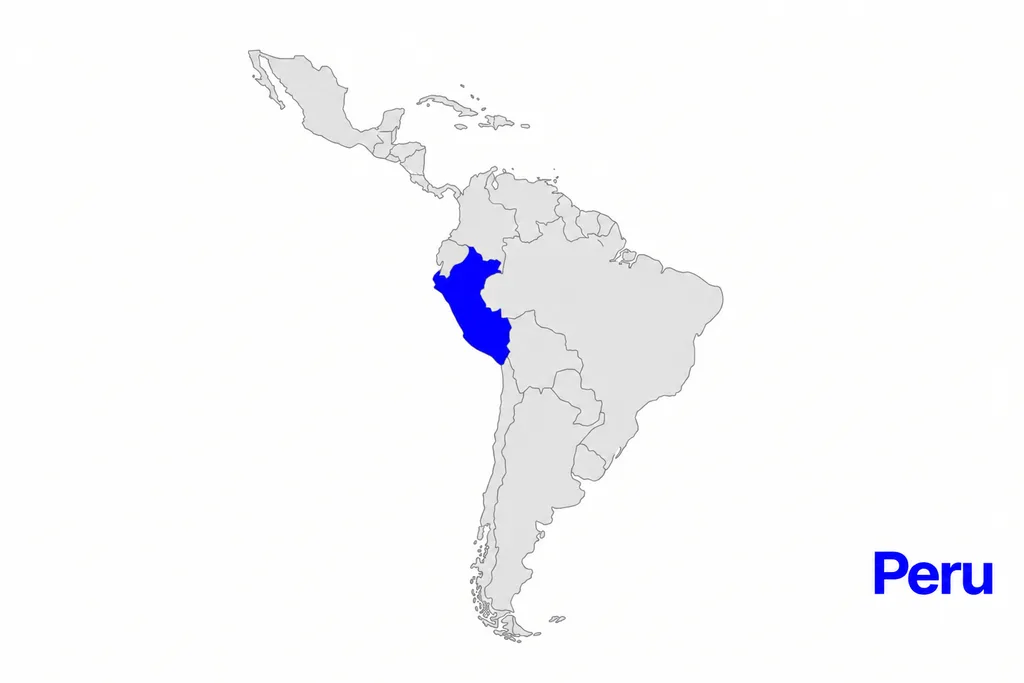
Population: ~35 million
Capital: Lima
Language: Mostly Spanish (also Quechua and Aymara)
Religion: Catholicism 67%, Protestantism 18%, non-religious 12%
Average income: ~$550
Average age of the audience: 26-45
Peru has become a notable target for iGaming operators. Over the last ten years, economic shifts and clearer rules for land-based and digital betting have established it as a promising market in Latin America.
The country has recovered from the effects of the pandemic faster than many of its regional peers. GDP per capita is forecast to be 19.45% higher in 2030 than the 2025 average, and further growth is expected as foreign capital arrives. Its appeal to companies expanding across the region is strengthened by its young, digitally fluent population and established online gambling laws.
The typical Peruvian player is a man aged 25-35 of moderate means who visits casinos mainly to unwind and fantasise about winning big. Sports attract a great deal of interest. Taekwondo, basketball, water polo, rugby, volleyball, surfing and football all have dedicated fan bases. Men dominate most of these activities, while volleyball is largely a female domain. Surfing has grown in popularity quickly in recent years, with many people treating it as a hobby. However, informal paid contests can sometimes turn friendly meets into fierce rivalries.
Regulation
Peru’s digital betting landscape entered a new, more mature, licensed phase. Law 31557 established a formal licensing process for operators, and the regulatory model developed by MINCETUR received final approval in 2024. This has placed both domestic and foreign companies within a clear, rapidly developing legal framework, boosting confidence and paving the way for a more consolidated market.
The new rules have introduced greater discipline to the sector. A single set of standards is encouraging consolidation and making players more willing to trust licensed platforms. The result is a clearer industry hierarchy, where local brands such as Apuesta Total, Inkabet and Te Apuesto compete with global operators like Betsson, Bet365 and 1xBet in an atmosphere of intense rivalry and rapid expansion.
With competition this fierce, analysts expect the market to consolidate around a few dominant players. Gonzalo Pérez, CEO of Apuesta Total, predicts that ‘three or four large operators’ will dominate. In his view, long-term success will depend on brand differentiation and strategic partnerships.
Columbia
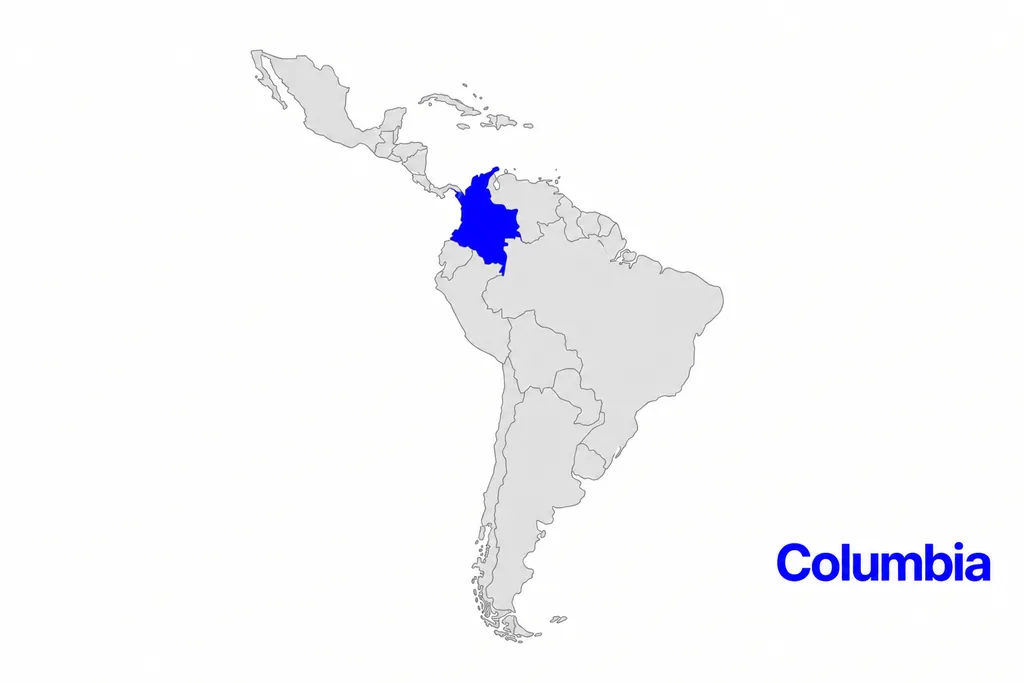
Population: ~53 million
Capital: Bogota
Language: Mostly Spanish
Religion: Catholicism 78.6%, Protestantism 10.1%, non-religious 7.8%, other beliefs ~1%, agnostic/atheist 0.6%
Average income: ~$700
Average age of the audience: 25-40
Colombia is one of Latin America’s largest countries. It is a genuine digital hub with a highly active online population and a strong appetite for gambling. Its iGaming market is legal and state-regulated, so Colombia became the first country in Latin America to create a complete legal framework for online gambling.
Football is the undisputed betting leader. National passion drives interest in clubs such as Atlético Nacional, Millonarios, América de Cali, and the Colombia national team. The BetPlay League, the main local competition, provides frequent betting opportunities.
Most players are men aged 25-40, but the share of women visiting online casinos is growing quickly. Participation is broad, so over 60% of adults have gambled at least once, while 20-25% play regularly.
Colombian players tend to be impulsive and adrenaline-driven. Fast wins, live games, and jackpots attract them. Visually rich creatives with bright animation and gamification mechanics perform especially well.
Regulation
Coljuegos, a state agency under Colombia’s Ministry of Finance, is the main gambling regulator. It issues online and offline licenses, monitors compliance with the rules, publishes white and black lists of operators, and initiates blocking measures and fines for violations.
The market permits online casinos with
- slots, roulette, blackjack and baccarat;
- sports betting, including live events;
- bingo and lotteries;
- live dealer games;
- and instant games.
Licenses are issued by Coljuegos and can be obtained by both local and international companies registered in Colombia. Applicants must register a company in the country, open a bank account, meet a minimum capital requirement of around 600 million Colombian pesos, and provide technical documentation, proof of a random number generator (RNG), a KYC policy and a responsible gaming plan.
A license is valid for 3-5 years and can be renewed. Its cost depends on potential GGR, with a minimum annual payment of 15% of GGR, but not less than a fixed minimum.
Wrapping Up
Latin America is not a single market, but a patchwork of opportunities. Mexico offers scale and spending power, Bolivia represents untapped demand, Chile — a pivotal reform, Peru — maturing licensing, and Colombia — a proven regulated model. The winners will combine local language and culture with rigorous compliance, smart payments, and responsible play. Brazil’s turmoil is a warning: regulation alone is not enough. Execution, trust, and adaptability will decide who thrives.